Lime mortar allows historic walls to breathe. We explain why the right mortar is essential when repointing period brickwork.
When we are called to repair or repoint a period property, one of the first conversations we have with the homeowner is about mortar. It is tempting to reach for modern cement — it is cheap, fast and widely available. But on a building that was designed to breathe, cement can cause real, lasting damage.
Historic walls were built with soft, permeable lime mortar. This allows moisture to move freely through the joints and evaporate away, keeping the brick or stone dry. When you point those same walls with hard, impervious cement, moisture becomes trapped. It has nowhere to go but through the face of the brick itself, leading to spalling, frost damage and accelerated decay of the very fabric you were trying to protect.
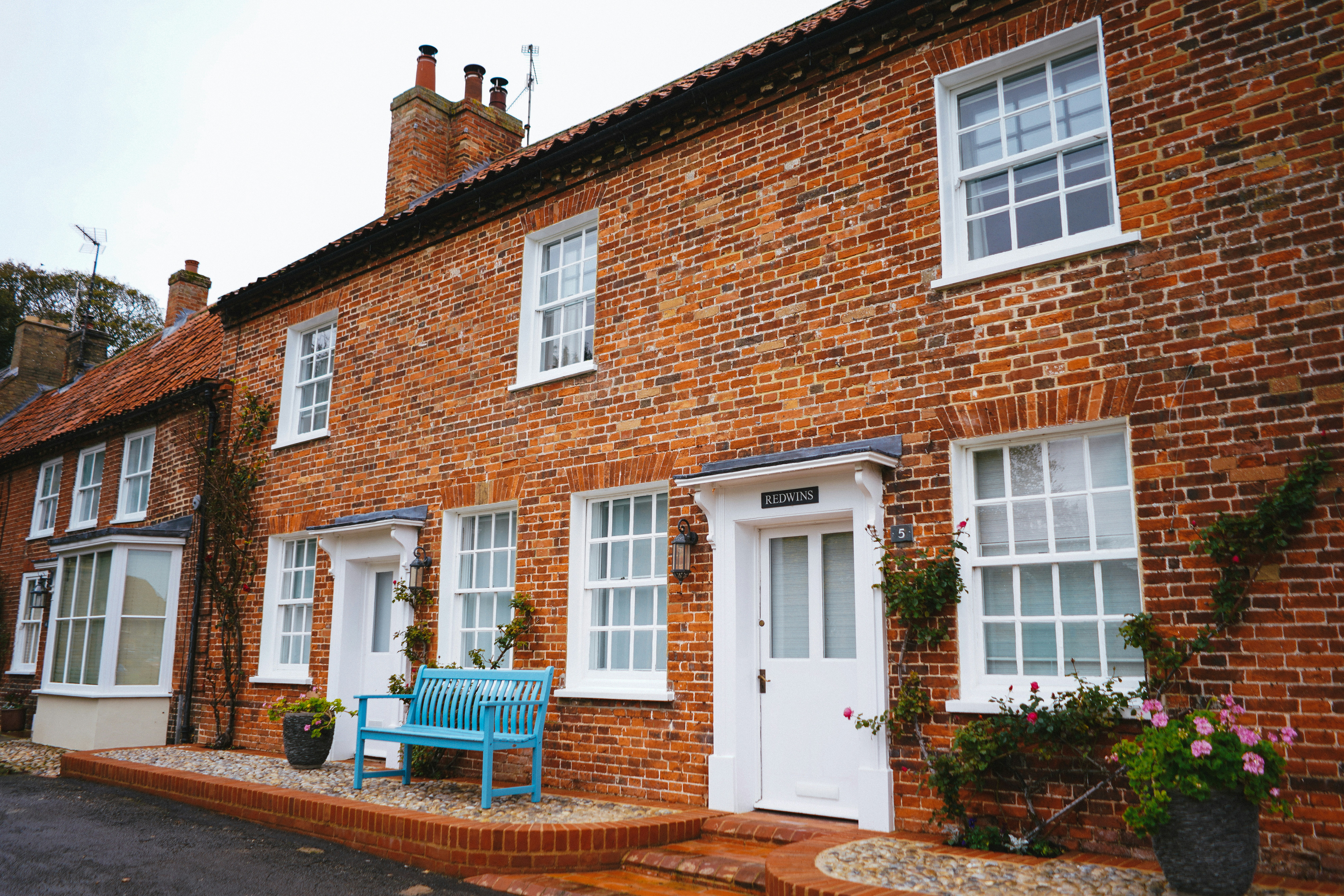
Lime mortar is also more forgiving. It flexes gently with the natural movement of an old building, where rigid cement cracks. And it is quietly beautiful — the soft, chalky texture and warm tone of a well-struck lime joint is something no modern product can replicate.
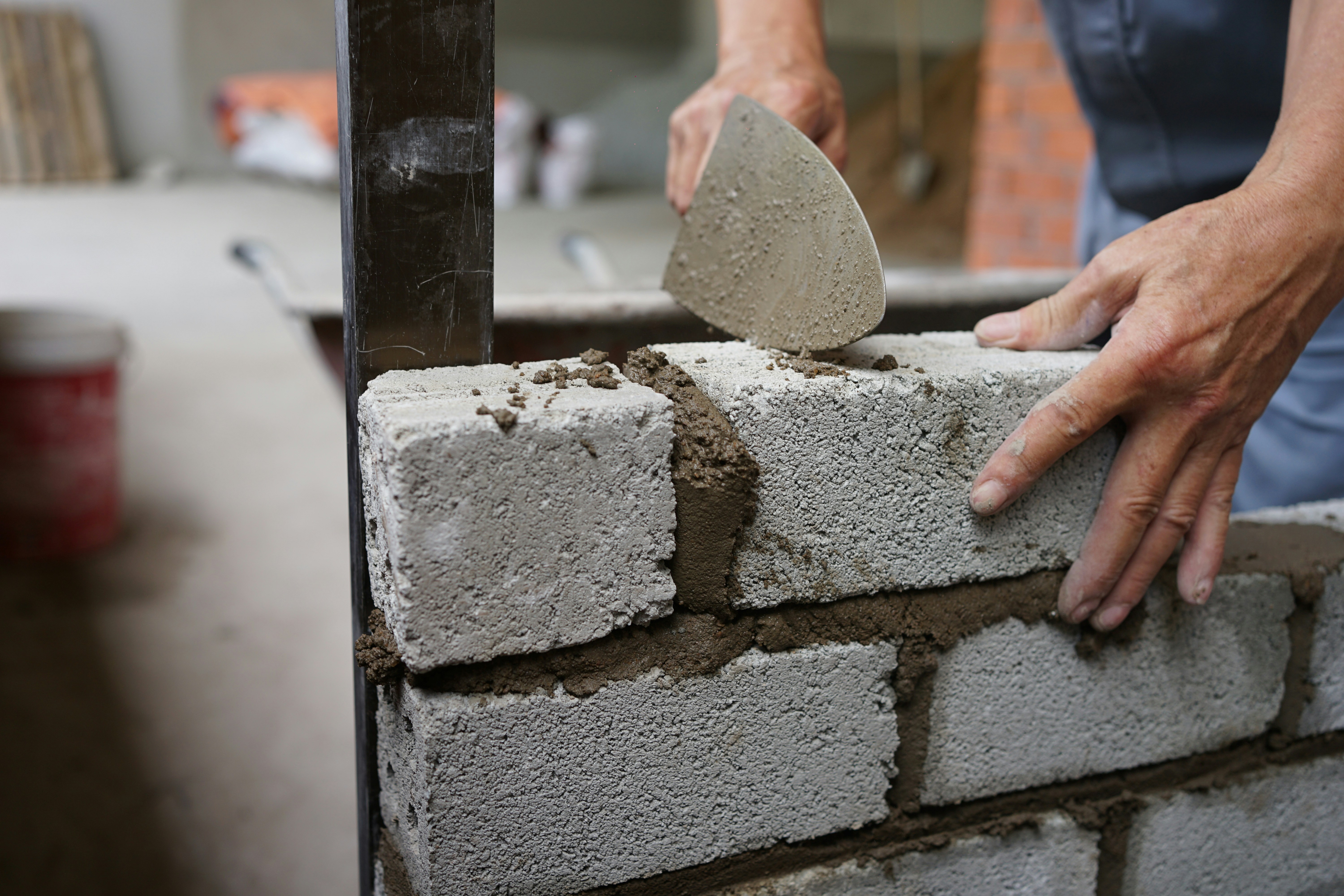
At Fletcher & Stone we mix our lime mortars to suit the individual property, matching colour, aggregate and strength to the original. It takes more skill and more patience, but on a home that has stood for two centuries or more, it is the only responsible way to work.
Considering a project of your own?
We would be delighted to discuss your requirements and share how we approach work of this kind.
Get in touch